


If you are a fan of music and movies in general, this could be your foremost concern. The choice between studio monitors and regular speakers does not seem to be a hard one as they are far more different from each other when using them for audio production. Studio monitors, first of all, are very specifically structured devices for professional use. They are being used for sound production in film making or professional studios for recording audio. But they are equally beneficial for personal studio usage or home theater. They don’t hurt (I swear) when used in a smaller setup.
The best one among their qualities is the production of a unique sound, and professionals recognize it very easily. It is a very technical feature of studio monitors. If I put it in simple words, it reduces many undesired disruptions and noises from the received audio signal and eventually creates very flat frequency audio. They can easily handle the sudden outburst of loud sounds, which often occur during the recording process.
What Makes Them Good For Movies?
There is not one thing that makes them a better choice for enjoying movies. It is a misperception that they are designed only to use in a professional setup. Let us talk about it. Why should we give preference to studio monitors over regular speakers for movies?
Built-In Amplification: studio monitors are usually active and offer power amplification. In comparison, other regular speakers lack this feature and require power from other amplifiers.
Precise Audio Production: studio monitors create a very precise sound. The major factor behind this is that every part of a studio monitor is individually powered. Be it a woofer or a tweeter. They all possess individually powered amplifiers enabling them to create a unique and flawless sound.
Ability to Crossover: as said earlier, Studio monitors have special drivers for a specific signal. This ensures more clear and precise audio production. You can easily differentiate different tones in a finally produced sound by a studio monitor.
Cut down Imperfections: they are specially designed to do this job. Studio monitors can cut down distortions to create an impressive and harmonized sound for smaller setups.
Dos While Using Studio Monitors For Movies
Good Placement: There are many things to keep in mind while using studio monitors for movies. Perhaps the most important one is their placement. How you place your studio monitors will dramatically impact their audio results and the degree of pleasure while listening to them. The most important thing to consider is that you should always place your studio monitor at a level with your ears. Studio monitor stands are the best solution. They come in a variety of sizes and adjustable heights, making them easy to use. Also, avoid putting them on tables or desks as they compromise their sound quality. They must be mounted on a stand for far better performance.
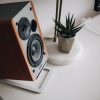
Size: Size matters a lot. The bigger the size, the more will be the bass response. But it doesn’t mean that you should buy the biggest available monitors. It is relative to whether you want to use them for a nearfield (small distance setup) or a far-field setup. Casually, small-sized studio monitors are perfect for home studios and they can be upgraded with additional woofers for customized audio production.
Proper Distance: How far they are placed from each other and your ears makes a lot of difference. The difference between studio monitors and your ears must be equal to create impressive audio. Poor distancing will not only affect frequencies produced but will also ruin your listening experience.
The Proper Angle for Monitors: Often, experts suggest that a 30-degree angle works best for studio monitors. The recommended rule is that they should face your head. This angular placement can easily be achieved by using stands. You can easily use studio monitor desk stands for desired angular setting to create a maximum audio impression.
So, All in All….
Studio monitors are not all the same. They vary in size. They all have different specifications depending on their brands and manufacturers. They also come in way more different shapes. But all these differences make them specialized for what they can be used for. A bigger-sized individually powered monitor can work amazingly for one person but may also be undesired for someone else, depending on their setup. So it is recommended that you figure out your requirement before blindly buying a studio monitor.
